Subul Data Annotation

Subul Data Annotation

Subul Data Annotation

Subul Data Annotation

Case Study

Thermoloji Imaging Annotation for Medical AI

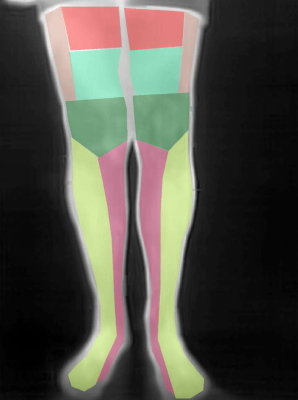
Thermal Image Segmentation for Angiosome Mapping

Supervisely Platform

4 Refugees

in Syria impacted through this project

5837 Medical images

annotated with ultra high precision

Annotation Type

Polygon

Classification

Medical Data Annotation

Challenge :

Annotating thermal images for vascular analysis requires consistent mapping of anatomical regions across different body positions and viewing angles.

The dataset contained 2,204 thermograms from patients with various cardiovascular conditions. The imaging protocol covered five views of the legs and feet, while additional head images and images outside the defined protocol required separate handling.

The challenge was to segment the surface regions associated with specific arterial territories while maintaining consistent boundaries, identifying the patient’s left and right sides, and excluding clothing, accessories, and other areas outside the annotation scope.

4455
feet

Solution :

The annotation approach combined region segmentation with image-level and object-level classification. Each thermogram was categorized by body region and viewing perspective, while each segmented area received a label identifying its arterial territory and the corresponding side of the patient’s body.

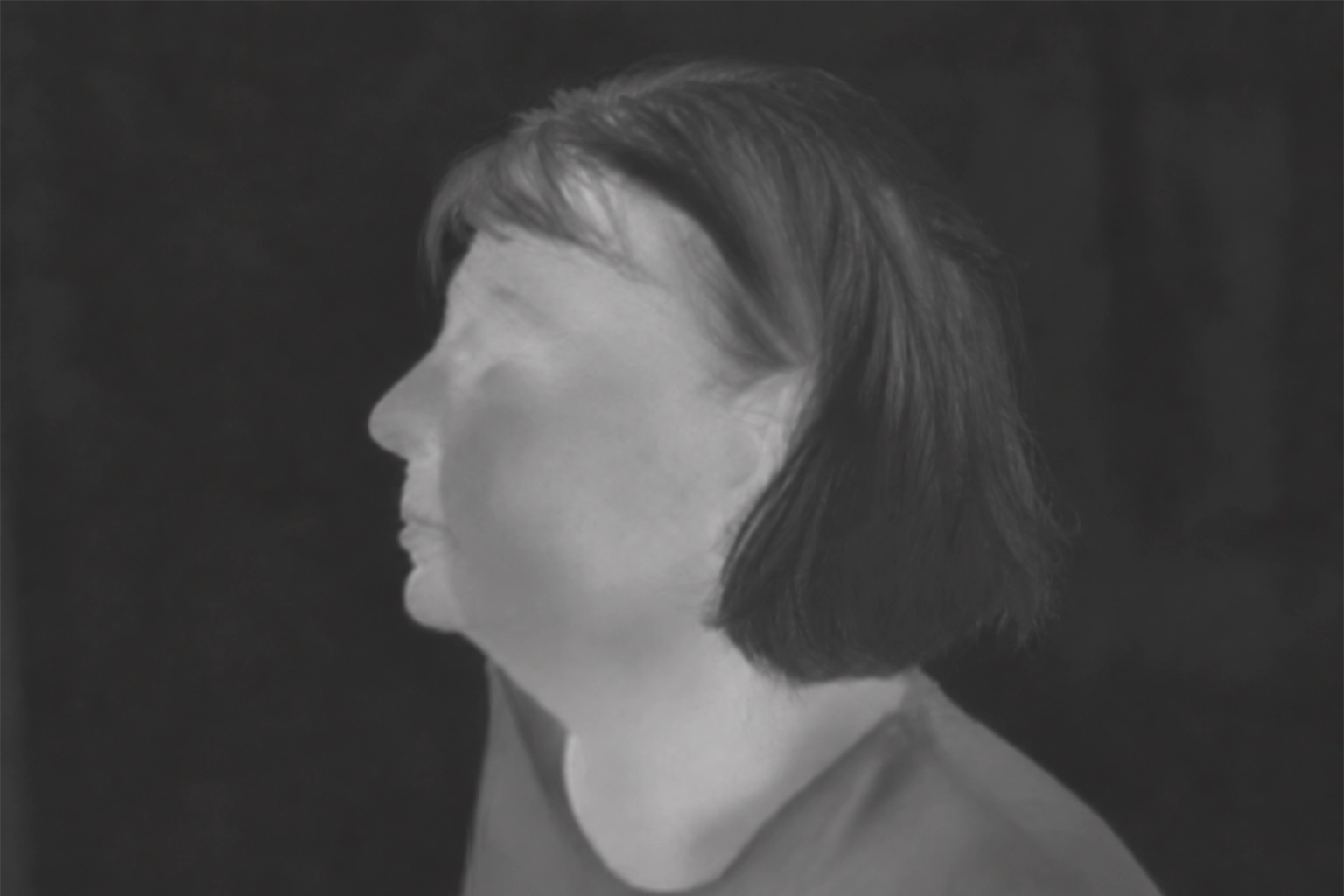
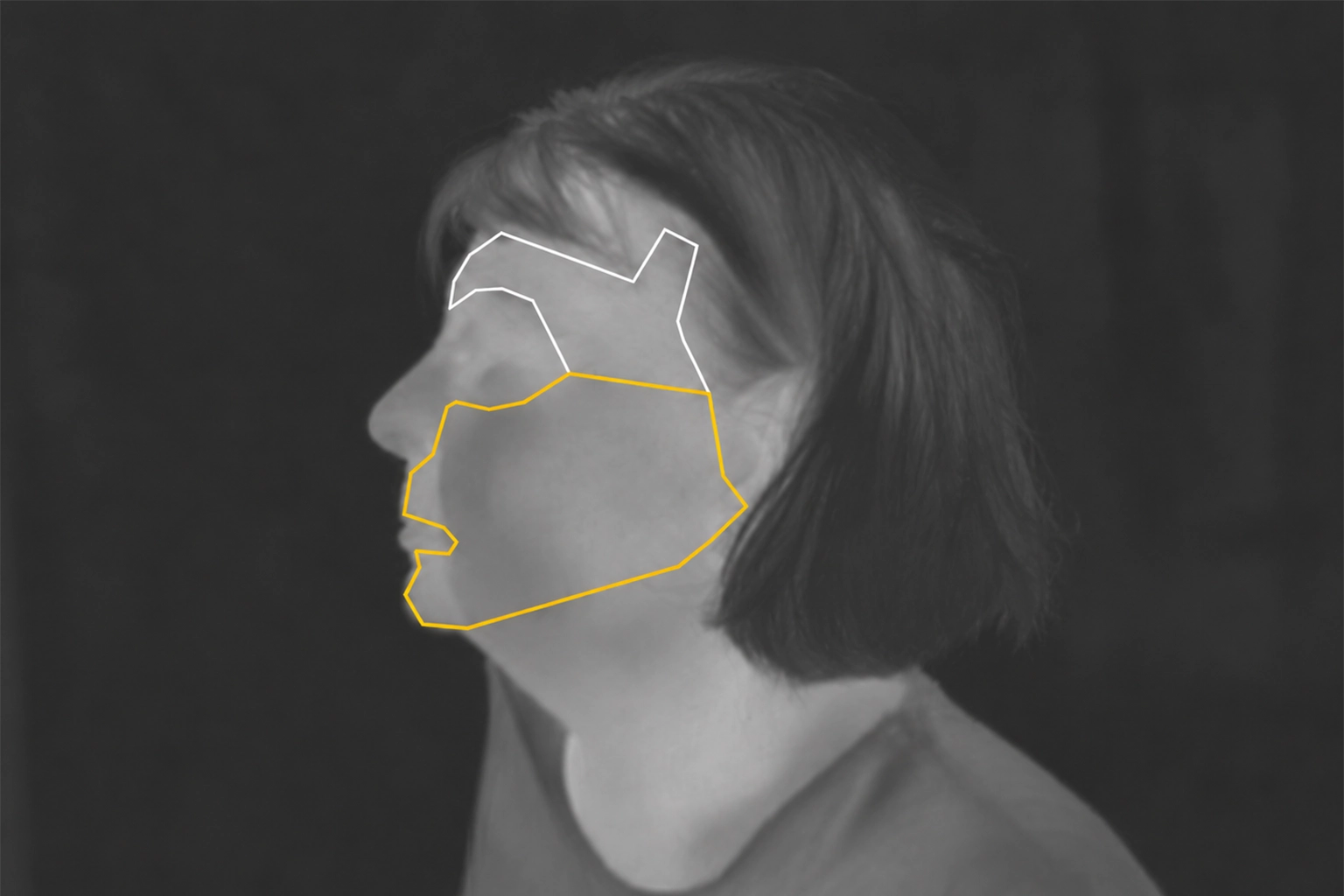
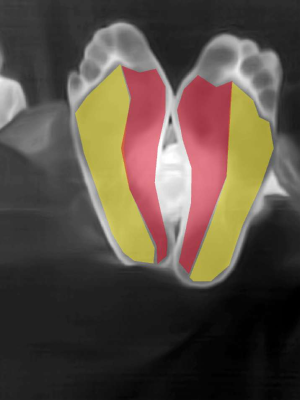
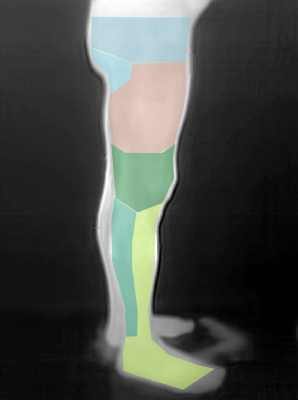
The guide defined 13 segmentation classes: 11 for the legs and feet and two for the head. Anatomical reference diagrams and annotated examples established where each class should be applied across the supported views.

Supervisely was specified as the annotation platform, with outputs required in Supervisely format.

FEATURES

Implementation:

  • Anatomical Reference-Based Segmentation

    The segmentation framework mapped thermal image regions to defined arterial territories, including femoral, popliteal, tibial, peroneal, and plantar regions. View-specific references guided the placement of each segmentation. The task focused on surface territories associated with the arteries, providing a consistent anatomical structure for organizing thermal image data.

  • View Classification and Patient-Side Labeling

    Image-level tags identified front, back, side, and feet views, with separate orientation labels for head images. Object-level tags assigned each segmented region to the patient’s left or right leg or side of the head. Left and right were defined from the patient’s perspective, helping maintain consistent labeling across different camera angles.

  • Boundary Rules and Edge-Case Handling

    The protocol excluded clothing and accessories and required segmentation boundaries to remain slightly inside the patient’s outline to avoid including background pixels. Additional rules applied to individual views. Side-view leg annotations excluded the opposite leg and toes, while feet were excluded from back-view leg annotations. Head annotations excluded facial features and hair. Images outside the supported categories were assigned a dedicated “bad image” tag, and ambiguous cases could be escalated for clarification.

legs-side
legs-front

Result:

The project defined an annotation scope covering 5837 thermograms, 13 anatomical segmentation classes, and a structured set of image-level and patient-side labels.

The specified output combines regional segmentation with viewing perspective and laterality information in Supervisely format. This structure is designed to support downstream analysis of thermal patterns within defined anatomical territories and the development of AI workflows for vascular assessment.

Conclusion

This project demonstrates how a detailed anatomical annotation protocol can structure thermal imaging data for medical AI development.

By combining arterial territory segmentation, view classification, and patient-side labeling, the approach provides a consistent framework for interpreting thermograms across multiple perspectives. Clear boundary rules and explicit handling of unsupported images further support a well-defined annotation process.

How Subul Data Annotation Works For You

Personalized and Fully Managed

Get a dedicated project manager to handle everything from guidelines to quality control, ensuring a seamless experience from start to finish.

Multilayer Quality Control

Experience the assurance of multi-tiered QC processes, including peer review and expert checks, guaranteeing a minimum accuracy of 98%.

Diverse and Scalable Workforce

Access a diverse team of industry experts, assembled within 72 hours, tailored to fit your project's specific needs and scale.

Unbiased and Compliant

Rely on our rigorously trained workforce for unbiased data, perfectly aligned with international privacy and AI standards.

Express Delivery

Benefit from our dynamic workforce, capable of rapidly scaling up to meet tight deadlines and ensure swift project delivery.

Direct Social Impact

Make a difference with every project; our entire workforce comes from refugee and disadvantaged backgrounds, contributing to social goals.

The world’s leading Ai teams Trust Us